

Categories
others self

Do It For Yourself

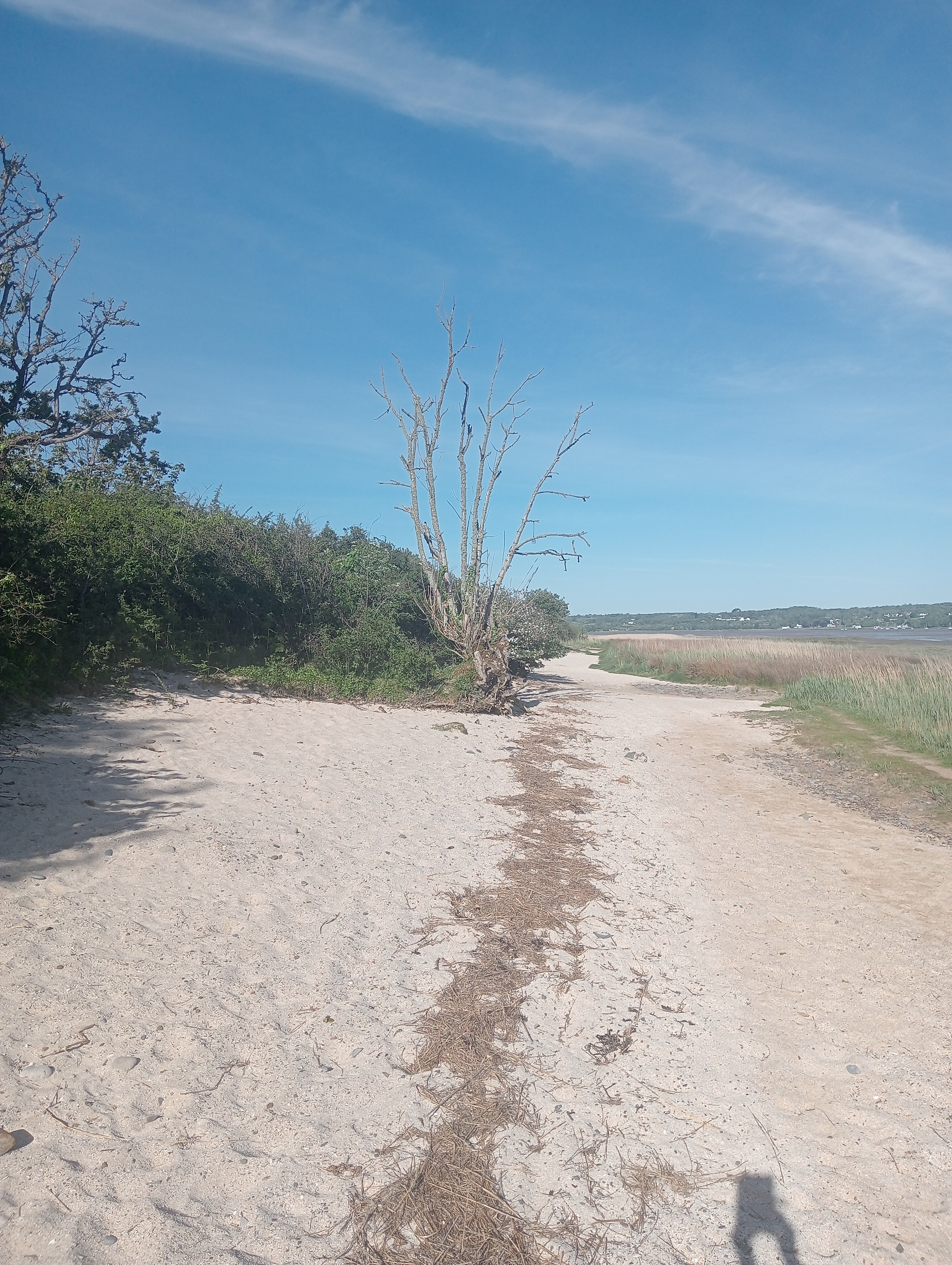
A fascinating tree near Red Wharf Bay. Photographed by myself May 2025

Love your neighbour as yourself

Mark 12:31

I know I’ve mentioned this verse many times before but I had a new revelation today. And this is what I love about the Bible. It is the living word of God not a static set of rules. It has something new to say to us often if we are willing to listen.

I was doing some QEC work around writing my memoir novel and exploring why I’d stopped not just sharing on Substack but stopped writing almost completely.

What came from it was that I’d got into writing for submission, for sharing with the new writing support group I met whilst on the memoir writing course, and got into wanting to make it “right” – which is another word like “enough” which is not quantifiable.

What I had stopped doing was writing it for me; writing for the joy and love of writing. At the end of last year and the start of this I just let the words pour from my finger tips and learned loads about myself as I let it flow. Yes I do have a dream of publishing it but back then my first goal was to get it written for me; was to write for myself.

So where does the above bible verse come in? Well as I’ve said before it has been translated the wrong way round. The original read “love yourself so you can love your neighbour” and as I’ve said previously if we don’t love ourselves then we can’t love our neighbours, can’t love anyone else fully because too often we are trying to love people so they like us. If I love myself then I don’t need others to love and affirm me. I like it when they do but that isn’t my reason for befriending and hanging out with them.

So it struck me in the middle of this QECing was that I need to love and want to read my book, that I need to be writing it for me and no one else, that I am doing it for me not for publication, not for anyone else, but for me. Then I will be able to write my story my way which will then be the way it is meant to be [possibly the “right” way!!]

But that isn’t just for my story but for everything I do whether that be housework, running writing groups, speaking to others, when I’m on my dog walks, driving my car, cooking tea, being with my family. I must be doing it for me not for others and if I do that then it will flow and I will be at peace and I will be kind and generous, not fearful, not checking if it “works” or if I’ve “got it right” but will just flow, will just be me, will not be doing it to get a need met.

I think it is why I enjoyed my birthday this year because everything we did was what I wanted to do. Yes there were tweaks due to dogs not being able to walk as far as they use to and my children tired due to traveling up to us. But it was tweaks for me to enjoy it more not to make it “right” and trying to please others. And guess what? Yup everyone had a good time because I was going with my flow.

Too often we are taught that we are being selfish if we do what we want to do but I think that is a lie. Most of us, if we love and respect ourselves and are doing what gives us joy, will not do harm to others but actually will be nicer people and people others will enjoy being around because we flow with what we want rather than double checking what others might want.

So I would also write that verse as “do all you do with love, peace and flow, without worrying about what others might want, and then that will give others space so they can flow around with you in love and peace”

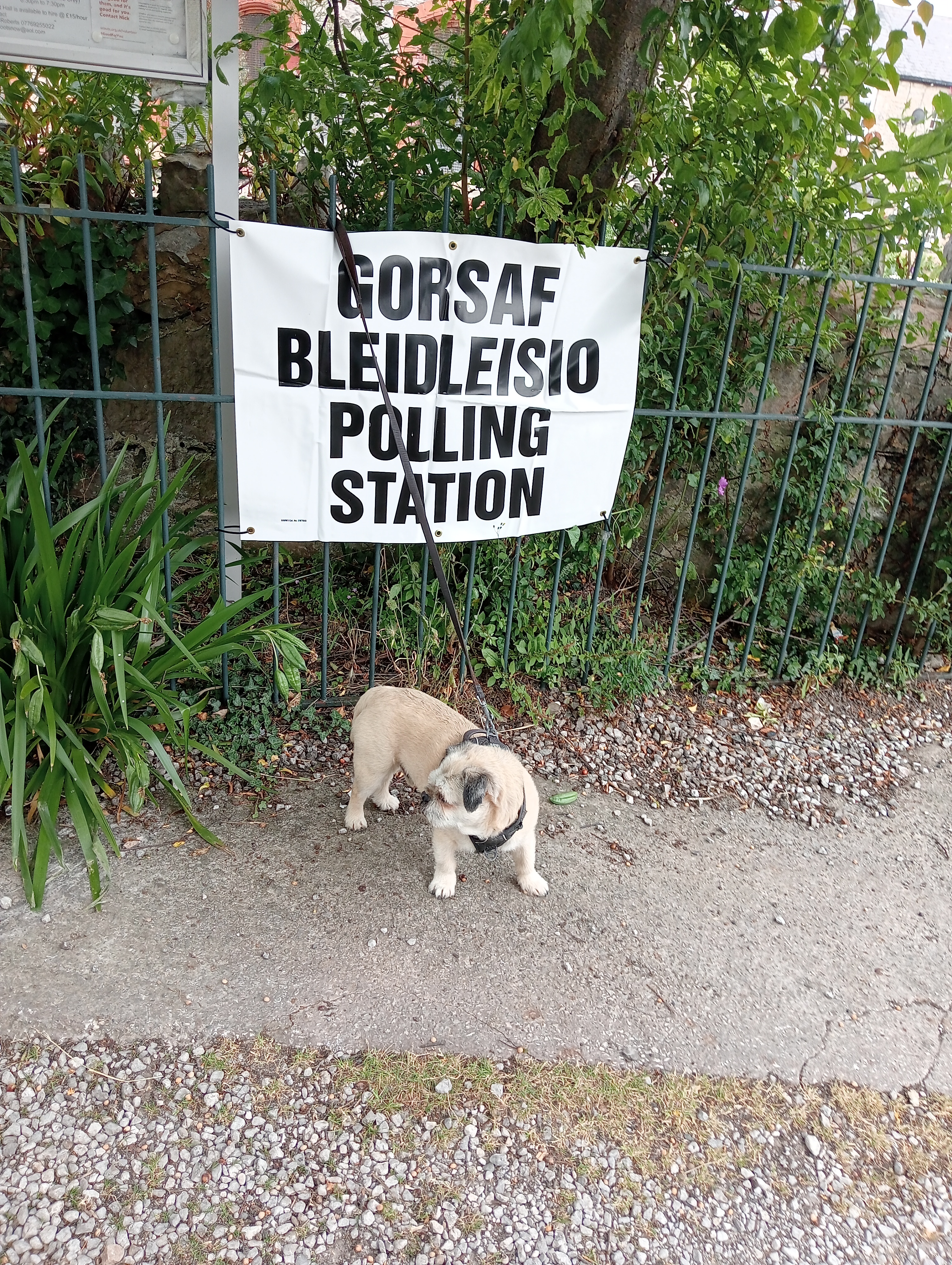
Renly by the fascinating tree. May 2025

Categories
Little Yellow Boat my book

An Ending

February 2021 The Little Yellow Boat was published; a children’s illustrated book, words by myself and illustrations by Danielle Chapman Skaines, now Danielle Littlewood. It was fun to do and to collaborate with an illustrator. Although both collaborating and writing children’s books are not my normal genre. Also I am not a natural marketer so the whole promotion of the book and myself was not easy. It was not helped by the fact that we are in the second phase of COVID and lockdowns and whatevers so by the time everything fully lifted my initial enthusiasm had waned.

I did get copies in my local library and did manage to go to a couple of craft fayres run by friends so my book will be out there forever.

Two days ago I received this from the publishers

… it is now some time since our company published your work. During that time we, as your publisher, and yourself as the author have put a great deal of hard work into your book.

Regrettably, these combined efforts have not proved to have been as successful as we had initially hoped, and we now feel that the time has come for us to remainder your work.

This will mean that all relevant areas of the trade will be informed of the discontinuation of publishing, and all rights to the work will revert back to you, the author.

Remaining stock will be pulped …

I have about ten copies of the book still in a box in my study which I keep promoting whenever I run writing workshops but it was a very strange feeling to receive this. Not a sadness but a definite glump!

It is an end of an era moment. And I think ends should be commemorated as much as beginnings. So I will honour this moment. Hence this post.

=======================================================================

There is still time to purchase the book before pulping in 10 days. It is on Amazon and also on The Book Store in the UK and I’m sure can be found in the USA and other countries.

These posts are free but you are welcome to Buy Me A Coffee or buy my book 🙂

Categories
acceptance humble

What Sort of Pride?

Photo by Alexander Grey on Pexels.com

A friend of mine was telling me how she wasn’t happy about the concept of Gay Pride. She said it wasn’t because she was anti gay but it was the word “pride” and the biblical “pride comes before a fall” [Proverbs 6:18] and of pride being one of the seven deadly sins. It got me thinking about the word and different meanings of pride especially as when I run writing groups with adults or children I encourage them to be proud of their work; to have pride in what they do. Then later on that same day someone was bemoaning trying to get a settlement with their estranged husband and said “typical male pride”.

The different meanings of the word PRIDE

  • take pride in something/someone

https://dictionary.cambridge.org/dictionary/english/pride

I think the Proverbs verse means don’t think too highly of yourself; don’t be prideful. But that Gay pride is to know your own worth and respect yourself. Very different meanings to the same word.

This is one of the problems with the English language I think. Too often there is only one word but many meanings. It is also where things get mixed up when looking at the Bible, a book that was written in at least three very different languages and then translated into many others. Too often the translation comes via Latin which is too often limited in its wording – eg the word we use as Love as many different forms in the Hebrew and at least six in Greek, all with different connotations. A bit like the Eskimos having many words for snow and the Welsh have at least 26 words for rain.

So I agree that none of us should think we are any better than anyone else, prideful, but I think that we should all be content with who we are, be proud of our achievements, be proud when we see those we love and care for doing well. It isn’t this sort of pride that comes before a fall but the sort of pride that stops us asking for help, stops us helping others, stops us realising that we have faults too. The pride we need to live and walking is a humble pride of knowing our strengths and our weaknesses, knowing our wants and needs, and be open and caring to ourselves and each other. True pride [not pridefulness] means we can truly love ourselves and so truly love our neighbour because we know what we can and cannot do.

Categories
interesting plans

Part of God’s Amazing Plan

Matt Kelland’s Unhack Your Brain https://unhackyourbrain.substack.com/p/priorities

I found this great quote on Matt Kelland’s Unhack Your Brain Substack and I love it, but then on Sunday at our Messy Church Easter service we sang Our God Is A Great Big God which I also love.

I just love to be reminded that God is sooo soooo big but also that God has loved me since before the world began, since before I was born, since before I made all the mistakes and screw ups I did and all the hurting of others that I did too. God loved me inspite of what I was going to do. Now that is amazing.

But then it came down to how to I balance this line “how wonderful to be a part of God’s amazing plan” with it being ok not to have “a purpose or grand ambition” and to just “wander through life finding interesting things to do“.

I know I’ve pondered this whole “God’s plan for your life” before in other posts but again I was struck with the revelation that, even though way too often, especially in charismatic denominations, there is this emphasis on “finding God’s plan for your life”, of praying into every move you make to check it is “part of the plan” and lots of angsting and fears about “getting it wrong” or “missing out”.

But what if …. and as Matt calls it an “unpopular opinion”… what if God’s plan for our lives is to find interesting things to do before we die?

The world is crawling with interesting things and interesting people. This morning an older couple and I stood in wonder at the confetti blossom falling from the trees; in the park I noticed a lady sniffing the apple blossoms; I talked with an man about how he’s dealing with his terminal cancer; with another friend about how the family are dealing with the sudden heart attack of her father-in-law; I laugh at squirrels scampering up trees and the puppy who leaps up the tree trunks trying to catch them; I smile at connections to do with The Green Cross Code man [a UK road crossing initiative back in the 1970s]. And all this is just in the 45 mins to and from the park today. That’s even before I’ve started reading the amazing Substack and WordPress blogs that appear in my inbox, before I start reading the piles of books I have, etc.

The world is so amazing and if God’s purpose for my life, God’s amazing plan for my life, is to potter along and enjoy those interesting things then I think that is totally amazing.

Yes also I know that God’s plan includes loving God, ourselves and others, and forgiving God, ourselves and others, which again if you get into that is amazingly interesting.

I think once we can do the finding interesting things everywhere, can forgive God, ourselves and others and can love God, ourselves and others, then I think we have definitely got the most amazing grand plan ever.

Categories
Feet hands

Why Wash Feet Not Hands?

Photo by Yan Krukau on Pexels.com

I know why Jesus washed his disciples feet – because it was what servants did to everyone who entered the house. It was to wash the dirt of the streets off those sandaled [without socks] dirty, dusty, feet. It is something that is repeated across many churches on Maundy Thursday [yesterday] across the world, and sometimes used at other times of the year to signify someone, generally in leadership, desiring to serve others.

Back in Jesus’s day it was easy though to wash feet. I’m not sure if they did it with or without sandals but even if it was without then it was easy to slip off a sandal. I remember once being at a meeting where this woman wanted to wash all our feet. Great gesture I thought, but I was wearing long boots with buckles etc and I was worried my socks would be holey or something. For me it was a big hassle and I got grumpy about it. It would have been so much easier if she’d washed my hands instead. No faffing with taking boots off, no then having to get feet properly dry before putting socks and boots back on again. Easy!

Easy but actually doesn’t really signify anything.

I think the reason that it should still be feet is because it is more of a thing, more of a faff. And hands one should wash often.

Hands we wash ourselves on a regular basis – before eating, after the toilet, before preparing food, after craft activities, etc.

How often do you really wash your feet? Ok so you stand in the shower or lie in the bath and your feet get wet and hopefully cleaned off from the water around you. But do you really give your feet the attention that you give your hands?

Feet are really important to our daily health. Here’s a quote from the government’s Medline Plus website

Foot problems … can sometimes signal other health issues such as arthritis, diabetes, or nerve damage. Left untreated, they can even cause pain and dysfunction in other parts of your body, including your back, hips, and knees.

And this one

Our feet, containing a quarter of the bones in our body, bear the weight of our entire body daily!

Our feet, that so many of us take so little care of, look after us so much.

So I think, even though yes as I say again I know the Middle Eastern servant reason for Jesus washing his disciples’ feet but also I think whenever we are in a place that does the washing of feet Last Supper tradition that we keep it as feet and don’t turn it into the easier washing of hands. It is like remembering to say that we are going to care for those bits that get forgotten, that get hidden away and yet are so important to our whole well being.

Perhaps in this modern day when this is done as well as remembering backwards to Jesus we can also think about those people who get forgotten and often who are hidden but who are so important.

Duh that’s what servants were!

Look after your feet because they are your often forgotten servants. And look after those in your community who are hidden but important. And don’t try and skip to something easier.

Categories
Love sacrifice

Do you love me more than these? 

The Look of Love – photographed by myself March 2025

I was listening to these words from John 21:15-17 where Jesus asked Peter if he loves him more than “these”. If acted then Jesus is shown pointing to the other disciples on the beach. Often this has been taken as a counter to Peter saying before Jesus got arrested that even if the all the others denied Jesus he wouldn’t and then he goes and denies him three times, hence why Jesus asks if he loves him three times in the redemption part. So basically a “do you love me more than these other disciples do?”

But what if Jesus is asking “do you love me more than these earthly things that are important to you?” in the sense that does Peter love Jesus more than he loves his friends, more than he loves fitting in with everyone else, more than he loves being a part of this clique? Would that make a difference?

I think it can be easy to try to love/care for/honour/do better than/follow someone more than someone else. But also that is a judgement and is one of those things in self-care and mental health one is encouraged not to do – not to compare. Comparing comes with the word “enough” and then there’s some oughts and shoulds thrown in.

I could never know if I loved Jesus or even another human more than someone else because I don’t know what’s going on inside their heads. But to love someone more than loving fitting in/ being part of something/being in safe tribe now that is hard and sacrificial.

Interesting that often this is then used to encourage us to judge and compare rather than to sacrifice!

Categories
Holy Week Yr Wythnos Fawr

Yr Wythnos Fawr

[Literal translation from Welsh to English is The Great Week]

Photo by JINU JOSEPH on Pexels.com

I love the Christian Holy Week, or as the literal Welsh translation calls it “The Great Week”, that week from Palm Sunday through to Easter Sunday. I can see myself in so many of the characters – part of the crowd that gets excited because everyone else is excited on the Sunday. I often don’t need to know what’s going on to get emotionally involved – to cry at a single musical theatre song, to cheer when someone wins something even if I’m not sure of the event. People’s emotions connect with me, which means I could also see myself as part of the angry mob too because I could so easily get caught up with the moment.

I can understand why the disciples asked Jesus why he was curing the fig tree, why he trashed the temple, wonder what he was on about when he said the temple would be rebuild in three days; have traveled with him for so long and yet still not got the message.

I could so easily have been Judas, not so much betraying but trying to force Jesus’ hand in, what I saw was a safer or more effective way; could have been Peter who one day totally gets it and calls Jesus Messiah then later on denies him when he’s afraid of the consequences.

Knowing the end of the story I’d love to say that I would have just done the cheering, just done the Messiah acknowledging, not denied, not thought Jesus wasn’t sure what he was doing, would have totally got what was going on. But that’s because I know what happens next.

I realise, if I’m totally honest with myself, if I was there and didn’t know what came next I would be as fallible as the rest of those there. I would have slept when I should have been awake, would have run away when I should have stayed, would have hidden behind locked doors rather than have walked boldly.

So this year as I listen to the Bible Society read to me the The Great Week stories – I try to remember how fickle and fallible that I truly am. And then remember that God knows that anyway and loves me unconditionally anyway.

Categories
Uncategorized

What Sort of Slaves were the Hebrews?

This is what AI came up with when I asked for a picture of Hebrew slaves. This was its 5th attempt all of which featured men interestingly enough.

Today’s Bible Society Lent reading was about all the stuff given to the temple. Now I know there is a verse in Exodus that says about how the Egyptians gave gold, silver and jewelry, etc to the Hebrews after the last plague, but there is an awful lot of stuff here.

I think we have always been led to believe from various Hollywood depictions and various sermons, that those descendants of Jacob, Moses’ family, lived in appalling conditions of starvation and over work. But then early on in the Exodus they are moaning about not getting certain food types, which means they must have enjoyed those foods not just picked up scrapings from the ground. Then in the reading today it says

with him [Belalel] was Oholiab son of Ahisamak, of the tribe of Dan – an engraver and designer, and an embroiderer in blue, purple and scarlet yarn and fine linen

Exodus 38:22

Where did Oholiab learn to be an engraver and designer and embroiderer? Or for that matter Belalel learn all he knew? We are often made to believe that when the Spirit of God feel on them suddenly they were able to do these things. Or that as these dirty smelly lowlife slaves were leaving the city suddenly very rich people were thrusting their riches on them to get rid of them.

I think those people who gave the gifts didn’t just give it to get rid of the Hebrews and hope to stop the disasters [the plagues] that were going on but I think they gave them because these were people who had worked with and for them, who they knew and trusted and who were leaving them.

Too often we see slaves as dirty, mistreated, doing menial jobs, living in squalor because this is what Britain and other Western European counties in the 17th-early 20th Century did to Black Africans and their descendants, but if one reads about the ancient civilizations they had servants who ran their businesses, were in high standing positions, were respected though owned members of their households.

To me though this gives a very different impression of the Hebrews leaving Egypt and why they were so quick to moan as they crossed this bleak wilderness between Egypt and the Promised Land. Maybe they weren’t going because the conditions were awful. Maybe they were going because they were suffering religious persecution for one, but maybe the big thing was that they believed they had been promised the area that became known as Israel. Maybe they left because they didn’t want to be slaves any more but wanted their own autonomy?

To me this fits in with thoughts on “Are Christians That Different?” and my own journey of following Jesus and learning that I am unconditionally loved by The Creator of the Universe. It was about a freedom from things that held me back from being free to be fully me, to have autonomy in my life, to not be held in slavery by having to fit in, etc, etc, etc. It is about learning to trust The Creator rather than myself.

For me now thinking that it is more to do with leaving something that was actually ok and going on a journey of trust and acceptance makes so much more sense to me than wondering why those Hebrews in the story moan so much in the desert. They were slowly learning to trust.

We’ve a friend who has long covid, is only in his late 30s, can only work 15 hours a week and isn’t able to socialise much because he’s exhausted, but says that now he understands about how “God works all things to the good of those who love him”. He’s had to go through that hardship to come to that place. He’s come from the good and being self-sufficient to walking with next to nothing but now believes he fully knows God’s love.

To me this fits in with the Hebrews being well-cared for slaves and leaving that behind to wander in a desert place trusting God for their next meal. Makes so much more sense to me.

I also think that whether we would say we are Christians, of other faiths or none I think there comes a point where we need to travel that road away from the comfortable, away from fitting in with the status quo, and need to be thinking our own thoughts, listening to our own hearts, having our own autonomy, and I think that will take a wander through things that are a bit dry and barren so that we can come to our Promised Land. [Richard Rohr calls it part of maturing in his book Falling Upwards]

Categories
your best

God notices

Pwhelli beach April 2025

Last week I was on an online writing workshop but had decided to take myself and the dog away, just the two of us, from all distractions.

This morning I listened to the Bible Society’s Lent reading for today. I’d got into listening to it instead of reading it whilst I was away. That way I could eat my breakfast as I listened. It is habit I am trying to keep now I’m back in my study. The reading was from Exodus 37 about Bezalel making the artifacts for the temple which would only be seen by the high priest once a year. The message is

challenges our fast-paced culture, where we tend to rush through tasks and settle for ‘just good enough’ to say it’s done, rather than pursuing excellence in how we work. When something is done for God, it deserves our absolute best in both time and skill. Whether anyone else sees our work or not does not matter. Excellence matters, because God notices and makes note of our integrity. 

A lot of the things we learned during the week long writing workshops was how much of what we do regarding our novels never get seen – not just the first draft but the proposals, etc we have to present to an agent, the planing and thinking around structure, the angst of what to put in and what to leave out. All these hidden things need to be done to make the novel something worth reading.

We also talked about whether we would just write our stories to write our stories or to just share with family and friends or what we’d do.

In my town we’ve just had some finger signposts erected. But unfortunately the contractors who were paid to put them up did not see it as important to do their best. Many of the signs are in the wrong place, pointing the wrong way, or putting things of the town in a different direction. As well as the local tourist board upsetting people by putting the distances in kilometres whilst here in the UK we still work in miles. This is something that is seen but was not done to the glory of the contractors or the tourist board.

But what struck me, whether it is our writing or those myriad of other things we that no one ever knows about, we need to do them to the best we can. We won’t all be Bezalel designing the awesome temple furniture, or the person that designs the noticeable building but we should always do what we do to the unseen who cares for us and wants to see us do our best.

In Beth Kempton’s The Way of the Fearless Writer book she says how just making time to write, for her, makes her a better person to be with once she leaves her study. We all have things that we can give our all to whether that is devotional times, writing, painting, walking, housework, etc, etc, that when we give it our best the rest of the world notices.

So whether you believe in an all seeing God who loves and cares for you unconditionally and wants your best, or that the Universe is watching over you, or just for your own well being, make sure you do everything to your best whether anyone else will ever know or not.

https://firewalkhq.com/wp-content/uploads/2014/01/dance.jpg

Categories
Temptations Wilderness

How Do We Know It Is True?

Photo by Pixabay on Pexels.com

I’m ploughing my way through The Bible Society’s Lent course Ploughing not because it isn’t great but because I’m not great at having to do things daily. But I love the way things get highlighted for me.

Yesterday was Jesus in the wilderness and what struck me, especially as a storyteller, and having read something about a new book about some Christian movement being accused of exaggerated over the top retelling of tales, is how do we know these things really happened???

Now Jesus doesn’t strike me as someone who would have boasted about his 40 days in the wilderness, or boasted about how he dissed the devil. So how did the writers of the three gospels it is featured in know?

It is a bit like the angel talking to Mary or Mary’s song to Elizabeth or many other things that happen with just the person concerned and a godly presence or in the Temptations a not-godly presence. We don’t know. Or we know because they probably told someone else.

I’m hoping that maybe when Jesus was walking all those many miles with his disciples, all those miles we are never told what goes on, and all those nights they spent sleeping under the stars, that it came out in bits and pieces, which the storytellers then put into something coherent.

I think in my God journey I am reaching that point where I agree with this quote

The Bible is a true story but not always factual. The truth of the Bible doesn’t come from the facts of the stories, but rather from the spiritual meaning of those stories. The true ideas the Bible teaches have little to do with history, geology, or any matters of the natural world, but have everything to do with the spiritual world and the things that really matter in our lives.

Amos Glenn, MINemergent: A Daily Communique (March 27, 2012)

Does it really matter how long Jesus was in the wilderness? Or whether the conversation between him and the devil was recorded verbatim? I don’t think so. I think instead of trying to decide if this really happened like this, whether it is the Temptation story or any of the other stories is that we need to ask God what the spiritual truth is behind this.

I do like the idea of Jesus’ follower one evening over supper saying “Go on tell us what really happened after you were baptised. Where did you? What happened?” And Jesus giving what he recalls of that time.

I would love it if he said things like “I was so hungry and knew what I could do but I knew it would be better if I carried on being hungry so I could hear God clearer.” “I know how this story pans out and I know I could make it easier but I know that if I go as the Father and I have planned then it will be better for you.”

I think Jesus responded to those temptations that are so common to us all in the way that is recorded to show he put humankind first and wanted what is best of for us all.

I binged watched “Zero Day”, a latest Netflix series, over the last two days because I was home alone. It is a great US conspiracy series but the bit that struck me, that I think is the truth of all that Jesus did, was when the President says something along the lines of “we were voted in not for what we wanted but for the good of the American people” [I’m not even going to go down the ‘is this happening now?’ route]

These temptations of Jesus, I believe, may or may not have happened, but the story is told to say that often we can do things easier, we can take short cuts, we can find a way that means we don’t get hurt, but in the long run would that really help those people we are called to serve, to be with, to witness to?

I’ll finish with another quote that says so succinctly what I’m saying here, I think,

“You prayed “use me Lord” and thought God was going to put you on a platform to speak or sing. What you didn’t know was that He was going to have you navigating through a bunch of trials so you could bless people with your testimony of resilience and not just your gifts.” -Nate Evans Jr.

Jesus was willing to go through those trials for each one of us and, I think, that is what the story of the Temptations is telling us. And is what we are meant to emulate.