In the beginning was the Word, and the Word was with God, and the Word was God. 2 He was with God in the beginning. 3 Through him all things were made; without him nothing was made that has been made. 4 In him was life, and that life was the light of all mankind. 5 The light shines in the darkness, and the darkness has not overcome it.
John 1:1-5
Too often, I think, we see the “darkness” as the world around us – wars, greed, poverty, world leaders, etc etc and we pray that “they” will change. Yes those things are darkness things. But I think too often we forget the darkness within each one of us, the darkness that makes us fearful, anxious, worrying, not able to give freely, not able to fully lean on God and trust them, that makes us always need answers rather than to live in the mystery.
For me this video from Instagram says much clearer what we can be like when we let the darkness take over and also how we can be. [Do try to watch it all because it helps make this post make better sense if you watch all of it]
So are we willing to do the work, to let Jesus, who is the light of the world, shine into our own dark places? Are we willing to surrender our dark places to a God we cannot see, often cannot understand, and who sometimes seems to do things we rather they didn’t do?
But if we are willing to do that via whatever means that change the thoughts that are so deeply imprinted in our minds then we can be like the guy on the video – at peace and appreciating what is around us.
“Bestill, andknow that I am God; I will be exalted among the nations, I will be exalted in the earth.”
Psalm 46:10
This was a verse that was given to me on a bookmark over 30 years ago when I first met with God and I’ve been pondering it every since.
What struck me in church on Sunday was – this is not a moment in our day when we take a “mindfulness moment” but it is a lifestyle. The whole of our life and our existence should be still, calm, at peace, knowing that God has it all covered and that our whole role in the whole salvation of all the peoples of the world is just to be still and to know that God is God. But I think too often we see this as a moment not a whole.
So we take a moment to be still and then we go back to worrying, doing it in our own strength, stressing, when we can just still our whole minds and bodies and believe
This isn’t easy but, from what I’ve learned from QEC and being able to bring my autonomic nervous system into line regularly then it is possible to keep “resetting” and returning to that still and trusting place whenever we notice we’re not there 🙂
for getting to put God and Jesus in the centre of all we are and all we do.
The sky on our drive home on Tuesday looking towards Eryri photographed by myself whilst in the car hence why it is a bit blurry.
When we go to the Anglican church there is always a prayer of confession which talks about repenting for things we’ve done and things we’ve not done but last week it stuck me that one of things we don’t repent of is not putting Jesus in the centre of things, of not trust that God has a plan through it all. Surely that is one of our main tenants of faith – that God works all things to good [Romans 8:28] – yet too often we don’t believe it. Instead we try to do it on our own, with our own skills, with our own strength. Ok so we might pray that prayer “Jesus help me with my work/family/this situation/this decision I have to make” but then we get back to working out the answer, of putting together pros and cons, putting together contingency plans, and worry and worry and worrying. And so we get stressed, grouchy, and of course that can lead to various health issues if we read Gabor Mate, etc.
Over the last month or so we’ve had loads of curveballs thrown our way from family issues to car issues to boiler issues to getting a rescue dog – something we wanted but maybe the timing was out? I found I was getting more and more stressed and so not being able to see through things and not being able to truly enjoy the new dog.
This is our something good – a new dog called Willow who our old dog Renly gets on well with
We all have deep-seated different motives for why we take on board what we take on board. For myself I wanted to “get it right”, to “please everyone”, and to “be a good girl”, and to “prove myself”. None of which are what God wants.
So how does one put God at the centre? It is really hard work but also really easy. For me it was to trust that God knew that all these things were going to happen at this time. God also knew I could handle them, but not in that way that I had to sort it all out by myself but that I was able to rest with God and let them deal with all the curveballs. I don’t even need to catch the curveballs. That is God’s job.
I do have to be willing to let go of controlling outcomes. Not that any of us can control outcomes anyway but, oh my goodness, we all do try very hard to keep control of all situations, which just leads to more stress. If God was willing to give each of us freewill surely we should let our family and friends have freewill, even if we think we know best or could do better.
So once I’d let go of it being my responsibility for sorting other people I could hear what God wanted me to do in those situations – to be able to leave my old and new dog peacefully with a friend as I went away, to leave relationships for God to sort and not see them as a reflection of me. And I do think we too often see the way our children, especially, behave as a reflection on ourselves and how we brought them up. Instead of being as gracious as God is with us and letting them have the freewill to do what they want. That doesn’t mean we don’t pray for them but it must be a freewill prayer filled with love and grace. I think we can pray “your kingdom come” in both personal and world situations but we cannot pray “your kingdom come and it looks like X,Y,Z” because, for one, that is controlling and, two, we really really do not know the whole situation but God does.
So for me with all that was going on I was able to turn my heart toward God, to trust them in all things, to let go of trying to control and to hear what I am to do. Interestingly this has made settling the new dog into the family much easier and has helped me sleep better. Has it sorted the other things out? No! But, even though I care, I know they are not mine to sort.
So I have put Jesus back into to the centre of my heart and my life – though of course have to keep turning back to doing that again and again and again – and my life becomes much simpler.
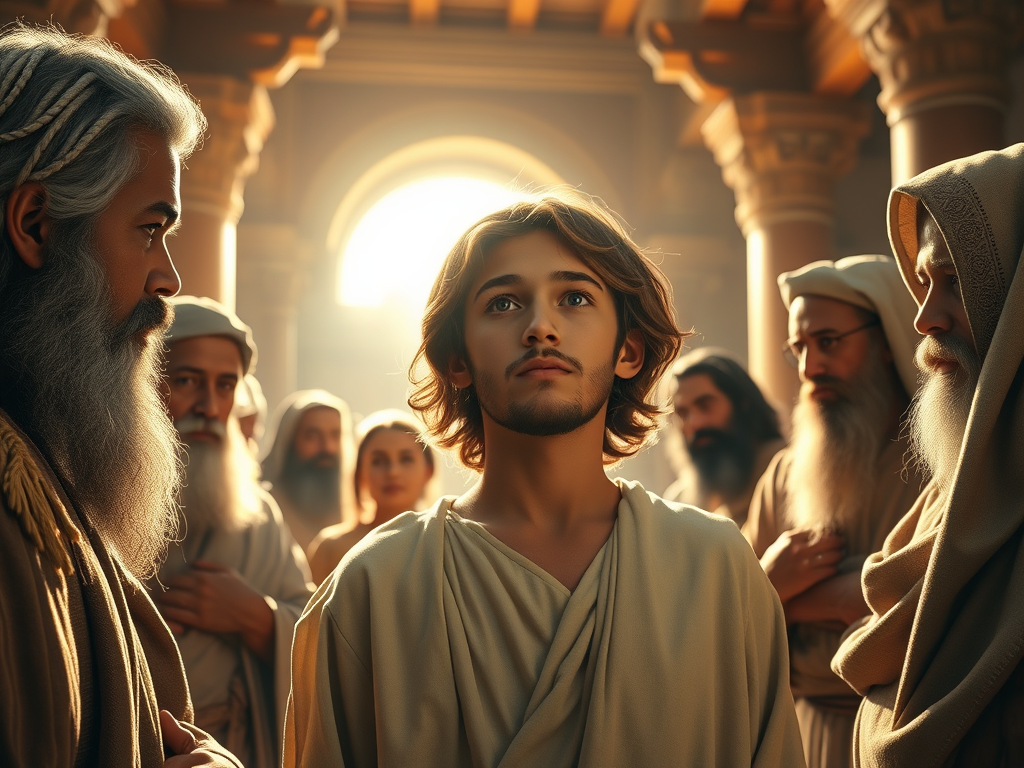
AI has created this angelic picture of Jesus as a boy in the temple. It seemed intent on making sure he had a beard. Perhaps for AI Jesus with born with a beard??? Who knows!
I was reading Luke 2:41-49 in which Jesus is about twelve. The whole wider family has all gone to Jerusalem for Passover and on coming home, when they stop for the night, Mary and Joseph notice Jesus isn’t with them so they travel back to get him.
Now I’ve heard sermons about this which say that because Jesus was now twelve he would have been traveling with the men and no longer with the women and children so Mary wouldn’t have been keeping an eye on him. But this sort of shifts the blame then to Joseph for not keeping an eye on him. Almost back to that thing you hear about fathers “baby sitting” their own children. I like to think that Joseph was better than that. I mean after all he gave up when Jesus was born – not just his reputation by marrying a girl who was pregnant, but also going into exile in Egypt and probably losing his business and having to restart when the family returned to Nazareth – would he really have forgotten to keep an eye on his eldest who had now entered the company of the men? I don’t think so.
I’m suspecting as all good parents we would have just presumed our lad was hanging out with his mates and would join us when he was hungry. And that’s where my next point comes in – so it says that they’d travelled for a day before they noticed he was missing and then when they got back to Jerusalem it took them three days to find Jesus. The throwaway line is that he was “sitting amongst the teachers and asking them questions” – for the whole time? Really?
We are told that Jesus was fully human, well I remember my son, his friends and teenager boys of my friends and they never seem to stop eating. My son would eat a whole meal then sneak tins of baked beans into his room or eat a whole block of cheese. I’ve known others who can demolish a packed of Cornflakes in an evening or a whole loaf of bread. If Jesus really was fully human then he would have needed food. Also where did he sleep? Was the temple open all night? Did someone take pity on his and take him home when it got dark? Did he really really sit for three or four whole days with nothing to eat and no sleep asking questions all the time?
Also was it the same learned men he spoke to or did they come and go? And were any of those learned men still alive twenty years later when Jesus was doing his ministry? Was one of those learned men in the temple back then Nicodemus which is why he chose to follow Jesus?
And what were those questions? Was he doing what he then did in later life and asking questions that challenged and made people think?
Then I always wonder when Mary and Joseph find him what was his tone of voice when he responds? I know how my teenage son would have responded to an obvious question – with a touch of sarcasm. I’m hoping Jesus’ response was compassionate and that he was sorry he’d upset his parents even though he did need to be in the temple but we aren’t told.
There are so many details that are left out. Why? I often wonder if the Bible had been written by women instead of men would it have had more details in, more of those day to day things that I’d like to know? I remember using the bible once to try to do a kid’s writing workshop and in the end felt that it has so many plot holes and details missed out it made it hard work to use.
Although I often think it is these lack of details that give us space to ask God to help fill in the gaps and lead us to their truth – though also can lead to disagreements over the whole argument of “this is what the Bible REALLY means” – which people have killed and died for.
So as AI decides Jesus must have had a beard from boyhood we have to make up our own pictures of what went on, not just over those few days at Passover twenty odd years before Jesus died, but through so much of Jesus’ life.
Interesting aside – one of the few details is it took his parents three days to find him. Was this detail to correlate to the three days he was in the tomb from crucifixion to resurrection? Another question! Another detail missing!
My daughter now works at Everyman cinema and when I was visiting her recently we went to enjoy the decadence that is Everyman Cinema – comfy seats, free popcorn with one’s very expensive ticket, a cup of mint tea with real mint in it. And we watched One Battle After Another It is fun, cliqued, predictable in places, and gently shoot-em-up. Very escapist.
But this is what struck me. So when they go into hiding Bob is told codes and passwords that he must remember just in case. But he gets disillusioned, fed up, complacent, and becomes an alcoholic drug addict and forgets the codes and passwords. So when their old enemy resurfaces years later he can’t remember what to do.
It made me think about our Christian life. Along the way we do learn ways of keeping in touch with God, of casting our burdens, families, problems etc on to God. Then life gets easy and we get complacent. We often think it is how we do things and that we can pray harder, be better, work harder, do more, etc and then things will sort themselves out. We forget the “codes and passwords” that hold us there with God. We forget that there is something more out there than just us and it is “not my might nor power but by [my] Spirit says the Lord”[Zechariah 4:6]
Like Bob we fill ourselves with things that numb us rather than keep us alert. We miss what is going on around us, miss when the enemy swoops.
As the film unfurls and the enemy gets more intense so Bob connects with others who, even though they don’t know the codes know honour and friendship, and it is through this that slowly but surely he remembers the codes at the right time.
We all need people around us who are going to befriend us, and that we befriend, whether we can remember the “codes and passwords” back to God or not. Care and love for each other whether we say we are Christians or not is one of the key codes, I think.
I am grateful for this film for reminding me to keep myself awake and remembering all that God has done, is doing, and will do for me. Just a few days after watching that I’ve been hit by the enemy’s tsunami and could so easily have been sideswiped but I remembered that there is someone greater than I who created the whole universe who knows the beginning from the end, who knew this was coming and knows what the outcome is, who has promised to work to the good of all who love them. So as this latest tsunami tries to sweep away my foundations I shall remember the codes and passwords and will pray, will hand everything to the Creator of The Universe who loves me unconditionally and will hide in the shadow of their wings. [Psalm 57:1]
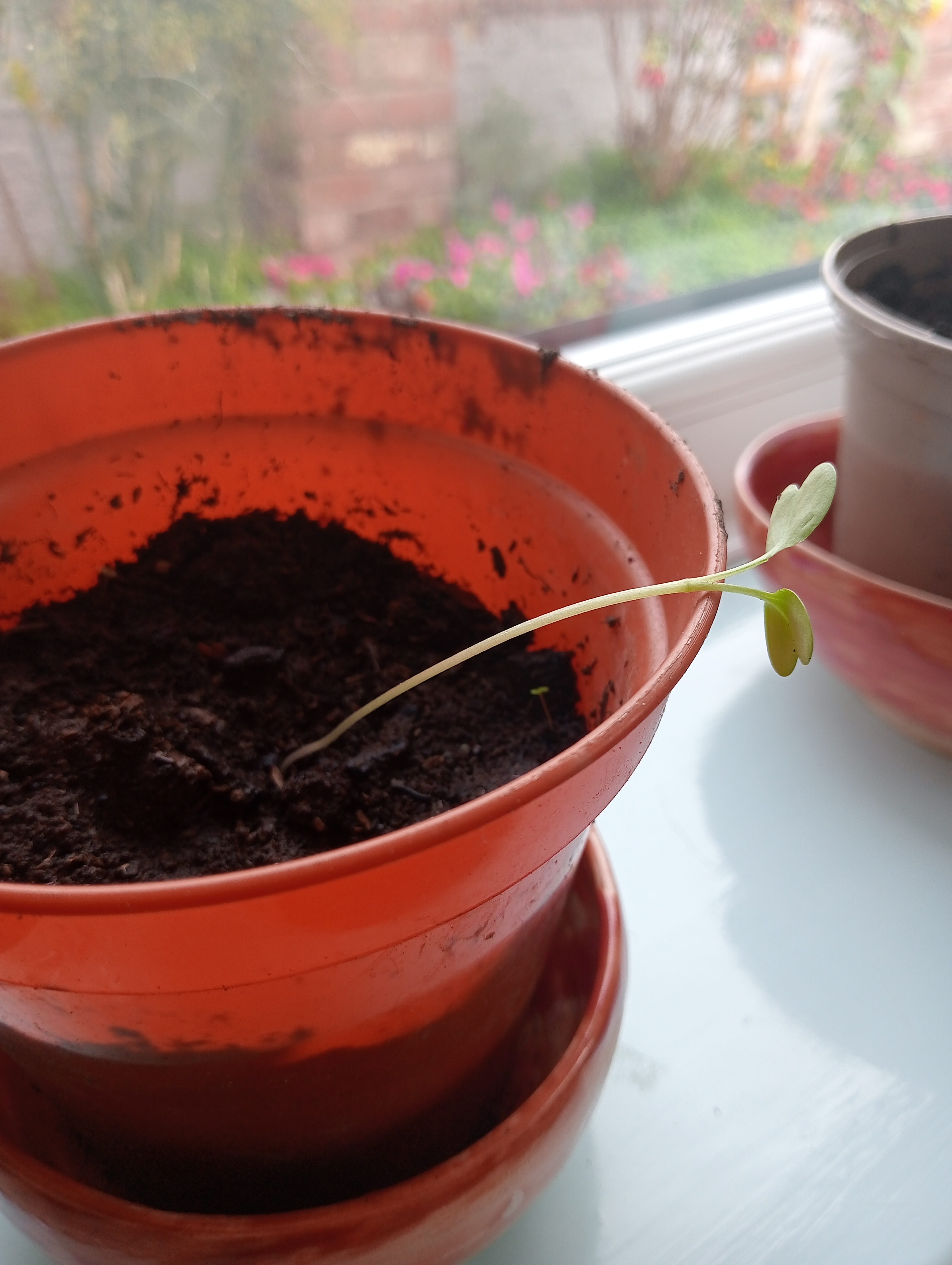
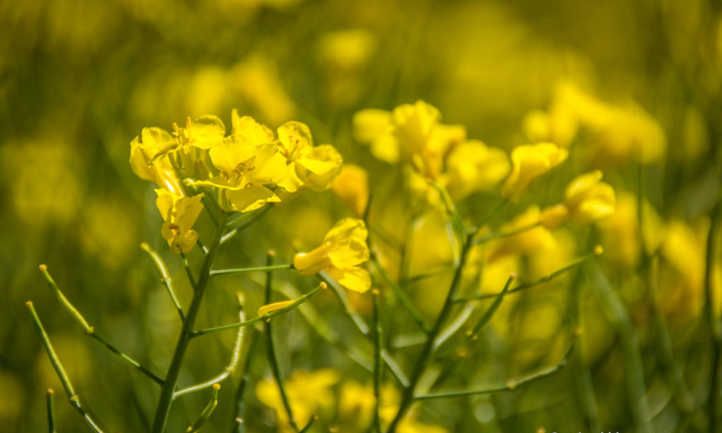
This is my faith mustard seed grown. As you can see it has grown really fast but it is a bit limp. That, and a message I got from a friend asking for prayer this week, got me thinking about my little old mustard shoot.
Often we set off with great enthusiasm with our faith in what God can do with us, through us and for us. We plant that faith and it sprouts. But then instead of growing into a tree it goes a bit limp and wobbly. That’s because we can’t go it alone.
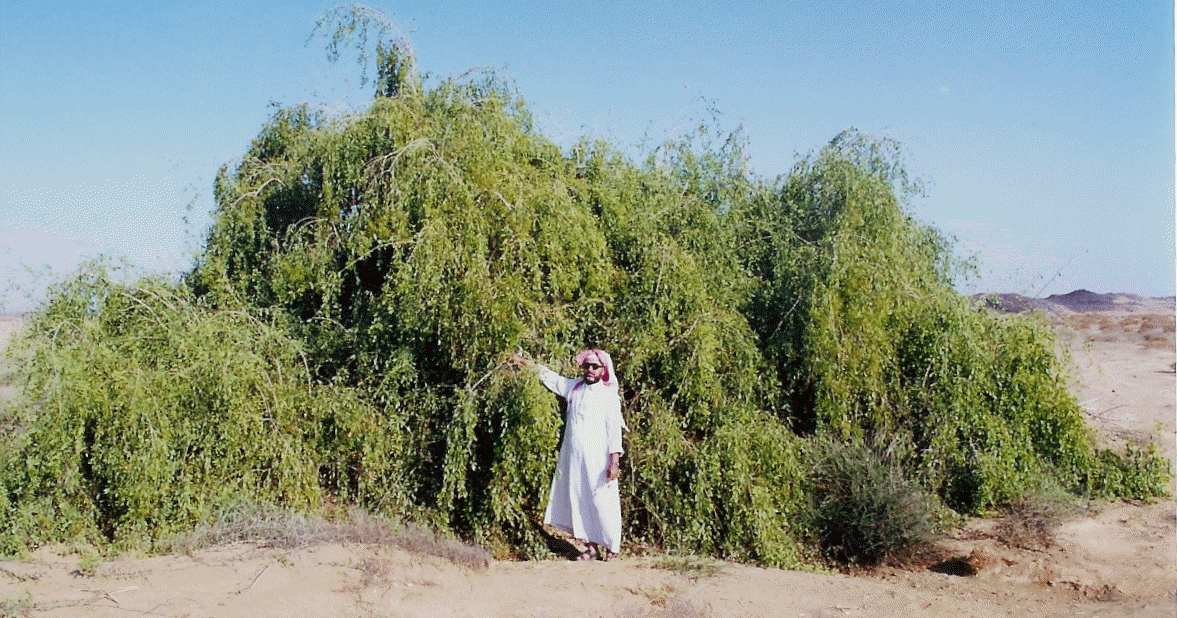
Look at these healthy mustard plants all crowded together
Lots of mustard plants on farm with cleared sky
They are all holding each other up, supporting each other. We cannot be a lone mustard seed. We need others to help and encourage our faith.
Like with my friend, not just the one who messaged by many other of my friends, we don’t need to go to the same church. We don’t even need to go to church at all – though that helps. But what we need, whether we attend a church or not, is faith-filled friends who will help us stand strong in God, stand strong in our faith. We need friends on a similar wavelength to us that we can share openly and honestly with, who won’t judge us, or label us, or box us, but who also know us as well as it is possible to know someone else.
Faith isn’t meant to stand alone. Yes it can and it will but it will get tired. Faith stands better and stronger in communities.
This Sunday was Harvest Festival at our church followed by a church lunch. I’m not sure if all churches do this but ours seems to be pudding filled. So one eats soup and a bread roll then overdoses of puddings and finishes up with a sugar headache later in the day. Or maybe that’s just me.
Anyway our vicar was talking about Harvest and its meanings and I was struck by the parts about how harvest is about bringing in mature crops, crops that were at the end of their growing seasons, and if they weren’t harvested they would go rotten in the fields. These then generate income for the farmer and nutrition/food for both the farmer and whoever they sell their produce to. Harvest is all part of our global economy. Without it we all die – literally. I think for so many of us that buy from shops and supermarkets we lose the importance of this. Even though who do have allotments or grow in their garden they still are not fully reliant on what they produce for their livelihoods or to feed themselves.
With those thoughts in mind it makes this verse seem slightly different –
Then he said to his disciples, “The harvest is plentiful but the workers are few. Ask the Lord of the harvest, therefore, to send out workers into his harvest field.”
Matthew 9:37-38
Now I’ve always taken this, and probably heard it preached, that this meant we were to go out and evangelise the poor lost people, put them on the right track, and teach them about Jesus. But if you think about the crops being mature, being ready, important for the economy and likely to go rotten if not harvested I think it puts a different spin on it.
I wonder if Jesus meant for us to look at people and to see that they were more than ready to be harvested. They weren’t immature people needing us to treat them like they know nothing, but were/are people who know a lot, have a lot to offer and are able to feed us who are already in the church. It is a waste to just bring it into barns and store it for some unknown future. The harvest has to be inputting into the economy immediately. In fact it is integral to the ongoing life of the community.
I wonder too if Jesus’ disciples understood something more than we do when Jesus said this. Back in Jesus time the multitudes who were following Jesus would have believed in the One God who led them out of Israel and made them a people group and would have been looking for the Promised Messiah. Really, I think, what Jesus was saying was that his disciples was that they needed to take these mature crops/people and bring them fully into His Kingdom – which is what happened at Pentecost. When “those who accepted his message were baptized, and about three thousand were added to their number that day” [Acts 2:41] they didn’t have to them go on Bible study courses, discipleship courses, how to be part of our church courses. No. They were accepted as mature and ready and it was left to God the Holy Spirit to train and lead them. Yes it is said they did listen to the apostles teachings [though I wonder if that was just the disciples and those who had travelled regularly with Jesus just saying what had gone on and not a sermon of what had to/had not to be done] but it did not preclude them from being part of things.
I think we need to be looking at those we know, those we come into contact with, and realise which ones are mature and ready to be harvested. Then we need be willing to let them loose into the church and trust that God will do as God knows what’s best to do.
I know one of my biggest frustrations when I first was “harvested” was being held back and told I was not “mature”. According to the description of what harvest is and the Matthew 9 verse those who are harvested are mature and ready to contribute to the life of the Kingdom. Ok they will maybe mess things up a bit, make things a bit untidy because they don’t “know the rules” [which are often manmade anyway!] but is that really such a bad thing?
On Sunday our vicar gave us all a small packet with a mustard seed in and used it to expanded on the story Jesus said about having faith the size of a mustard seed.
He replied, “Because you have so little faith. Truly I tell you, if you have faith as small as a mustard seed, you can say to this mountain, ‘Move from here to there,’ and it will move. Nothing will be impossible for you.”
Matthew 17:20 and Luke 17:6
And we were all told to take this home, plant it and see how big it had grown by Christmas.
I worried the whole time I was going to lose it so as soon as we’d had lunch, and before taking the dog for a walk, I made sure mine was safely planted and watered.
When I pondered my attitude to this, it reminded me of when I first really met with God and how I knew from that moment on the The Creator of The Universe loved me unconditionally even though I was a single mum and not living the best life. The faith I got from that moment I was terrified of losing and so I did everything I could to water it, to grow it, to nurture it – reading my Bible, praying, going to Christian conferences, reading Christian books, going to church, being involved with church, going on mission, etc, etc. Ok there have been times when I haven’t done any of those things and have wombled on with God in a contented way still. I have never lost that faith, have seen it grow, have seen it tested, have seen it wobble, but, for the most part, have always trusted.
So I got to wondering what other people might have done with their mustard seed representing faith. [this is all speculation and not about anyone specific]
some left it at church – which is often where we can all leave our faith and do not take it home and use it at home.
some have it in their pockets still and will find it on and off when they put that coat on again – again a bit like we do with faith and find it and then forget it, then find it again but never really take it out.
some will keep it in their “going to church jacket” and will bring it out each time they are at church – which again we are all great at doing, of having great faith when we are with a company of other believers but struggle when we are on our own.
some will have lost it as they walked home – which again is what happens to faith often. The hassles of life get in the way and we lose our faith that God can.
some will have seen it as just another daft thing and won’t have engage with it – again that is what can happen when we talk about things like God working all things to the good of those who love him [Romans 8:28]. It can seem a daft thing and so we ignore it.
some will plant their seed but then will forget about it and it won’t grow, or it will grow a little bit but won’t be nurtured.
some might expect someone else to plant it for them, a spouse, friend or someone else they know – and again we all too often lean into someone else’s faith rather than our own. It is important to have friends with faith around us to hold us up but we cannot rely just on their faith. We do need our own too.
And some won’t have believed in it at all and found it all total nonsense.
Interestingly I was reading that the mustard seed is an easy seed to grow. It doesn’t need much to grow from this tiny seed to a plant that you can then use the leaves of in all sorts of cuisine. Though interestingly the article also says that economically there is no reason to grow mustard seeds, although the novelty value is good – being able to produce a jar of your own mustard to share with friends. Again this is an interesting point to take back to our mustard seed of faith. How many of us think what’s the point? Nothing will change, nothing will happen, or even “I can do it quicker myself”.
Maybe the “novelty value” has something to say to us about our faith, and about that inner feeling of connection with something higher than us.
Faith is the moving of those mountains of sickness, of poverty, of inequality, of war and aggression. But it is also that inner peace, inner, tranquillity, inner joy, inner trust, inner knowing that I am not alone, that I am love unconditionally by the Creator of The Universe. And that with that tiny bit of faith I can grow, I can flourish and maybe it is because of my faith that the birds can find shelter?
Then Jesus asked, “What is the kingdom of God like? What shall I compare it to? It is like a mustard seed, which a man took and planted in his garden. It grew and became a tree, and the birds perched in its branches.”
Luke 13:18-19
Or as David Marks says in Garden Focused – key reasons for growing mustard in the UK is to use it as a green manure on the soil. Now I’m all up for being a fertiliser for all things God!
==================================
These posts are free but you are welcome to Buy Me a Coffee or similar
Looking across Red Wharf Bay May 2025 Photographed by myself
What do I miss since no longer being able to drive? It is the above that I miss most of all. I miss being able to drive to where I want to go on my own when I want. Actually it is that “being able to do what I want when I want” that I am finding hardest.
I’ve always struggled with being boxed in and needing the space to do what I want when I want. That is probably why I didn’t settle in office type jobs but went for hospitality or youth work because, even if the hours were set, what went on was so random. There is something for me about being tied in that makes me panic.
But during my QEC sessions and spending time journaling I’ve learned to work these issues through. Even with the not-being-able-to-drive thing I’m working out my own freedom with it. But then something happened and I realised how easily I [and probably you] can fall back into those old pathways, those known ways of being even if they didn’t fit back then and don’t fit now.
We’ve got a new vicar at our church. He called a meeting last week where he set out his vision for the church. There were lots of opportunities to volunteer for things and at the meeting I was really super enthusiastic and was frustrated that there were no sign up sheets. But then when I was on the bus I was really really tired, like exhausted tired. Then when I got to the beach and was pottering along with my dog enjoying the sea and that freedom I felt like I didn’t want to do anything and was moving into being cross. Yes even though one of the vicar’s main points was “don’t feel like you have to do anything” I was still cross at feeling like I “had to” do these things I was good at.
But this is where things have changed, where all that healing has come to pass. Or as an old YWAM leader once said – I’m learning to walk the new green pathways.
Somewhere in Scotland. May 2022. Photographed by myself
What he meant by this is that whenever we do something we create a known way of going and we stick to that whether it is right or wrong, helpful to us or not. When we get into healing we start to see how wrong those paths are for us, how they are not beneficial to us but we can only make the new paths by walking them. Too often, even when we’ve had healing of any kind we think it hasn’t worked because we are still doing the same old same old. Still walking those same old paths. We need to start walking across a new grass filled field and make new paths. We need to walk new ways. We need to mark out new pathways that fit with who we really are rather than who we think we should be. And we can only do that by walking them.
That first me after the meeting was the old “look at me and like me” me but I’ve changed and am now more willing to say “yes I could do that but I need time to write, to read, to walk alone [even if that is more complicated and needs more thinking about – and thus more time] and also to bump into friends and other random people to chat with as I feel God leads me. I can now be honest with myself and say I must be careful not to let myself take on too much as I’ll feel frustrated by it.
For each of us our new pathways are different, which is what can make it hard to walk them. We get so used to following the herd, of doing what makes others happy, of fitting in so we don’t have to think, that we often just following along. But then of course we either get tired, get resentful, get sickness and illnesses, get angry, and also don’t fulfil are full potential, are full who our Creator truly made us to.
I know The Creator of the Universe loves me just as I am and I believe my role in life is to know that fully and to share that fully. But I am beginning to realise that I can’t do that by being busy, by getting tired and resentful, etc. So I need to walk my new pathways – those I can choose and those, like with the driving, that have been foisted upon me – and trust what is really out there for me
Renly enjoying a “new path” April 2023 Photographed by myself
Interesting coincidence. This was the reading from Henri Nouwen on the day I wrote this blog piece.
Discerning God’s Will
Small, seemingly insignificant events, ideas, and life circumstances can become occasions to discern God’s will and calling in your life. Both inner and outer events and circumstances can be read and interpreted as signposts leading to a deeper understanding of the way the Spirit of God is working in our daily lives…. We have the freedom and responsibility to look at our lives with the eyes of faith and a heart of trust, believing that God cares and is active in our lives. https://henrinouwen.org/meditation/ 1st October 2025
On the last day I drove my car [even though I didn’t at that time know it was the last day] I went to see a matinee of The Lion, The Witch and The Wardrobe. It is story I’ve got a lot of affinity with because I read it many times to my children when they were little and then played Mrs Beaver in a Bath City Church version twelve years ago.
The musical is great, though challenging at the beginning because the Pevensie children are all played by actors with dark skins which got me thinking about how that could have been possible. We’ve all just assumed they were white. Although it does say Lucy has fair hair so …. But it is good to be challenged to rethink what we’ve just taken for granted.
From the musical came a few questions I’ve been pondering. One of which relates back to the Unite marches and the division that could be seen there.
There is a point in it that they talk of Freedom from the White Witch. The White Witch is seen as bad because she makes it “winter but never Christmas”. But interestingly she has a large following who don’t seem to be following her through fear but for other reasons we never get to know.
I wonder, if we really talked to those people on the marches, instead of just presuming we know what they think, but get allowed to look through their Truth window what we would really see.
Over the weekend we chatted with some lovely friends and we got on to the empowered/powerless talk and the “why don’t they just get a job?”. We are all educated, all well read, all reasonably confident. We’ve all been willing to get on and do and we see our kids getting on and doing. Theirs are 10 years younger but still you can see how they deal with life. My daughter is going through a tough time at the moment but she is proactive and walking through it. They, and we, are all empowered people. We would all probably unite behind someone who would give everyone their freedom, support all, bring everyone “up” in the world.
Yet I look at a friend’s family who are addicts, keep getting in trouble with the Police, keep waiting for someone to help them up but are not able to do it themselves. They are, for whatever reason, powerless. I could see them uniting around someone who would tell them they are in the situation they are in because it is someone else’s fault.
But then on Sunday I went back to church for the first time in ages [I have popped in and out but this felt like a coming back] and during a very interesting sermon one of the things that struck me was, firstly the whole thing of knowing Jesus, but more importantly than that it was knowing that we were loved and accepted just as we are. And we need to know that deep deep in ourselves before we take it out to others. This, I believe, is where true empowerment comes from. Yes many are blessed/lucky to have it within themselves and to know, whether through understanding parents, friends, or healing, that they are accepted powerful human beings. But I think, even those who lead and look powerful are deep inside hurting and are not really and truly free.
But how do we know we are loved? I think too often the Church sees love as the congregation doing things, not of being and being accepted but of doing things for the Church and for God. But I think we need to, as Christine Sine said Slow Down a bit and see the wonder, the wonder not just around us but within us. Each of us are amazingly created people if we only believe that, if we are only bold enough to let others see our Truth window, for us ourselves to see our own Truth window.
Here’s a poem for Christine that talks of slowing down, of seeing the wonder. And as she says it is seeing the pain and suffering as well as the breathtaking beauty.
Walking in the fastest pace for noticing Slow down, Walking is the fastest pace, For noticing, For paying attention, To the pain of our suffering world And the breathtaking beauty Of its wonder. Slow down, Look, listen, touch, Anchor yourself to the earth. Absorb the input of your senses, The details that speak Of your aliveness, In a world that seems consumed By death. Slow down, Hold onto the sacrifices Of love and compassion, Be generous, Embrace diversity. Sit in awe and wonder Of the One Who is making all things new.
So how do we unite for Freedom? I think, we need to know we are loved and accepted for who we are not what we do, and need to slow down, see the wonder within and without, and work out what Freedom really means to us.









 Aspirational Adventures