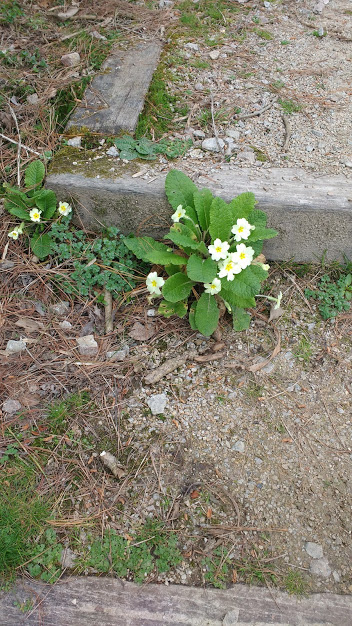
February 1st-2nd marks a confluence of several feasts and occasions including: the Celtic feast of Imbolc, St. Brigid’s Day, Candlemas, Feast of the Presentation, and Groundhog Day! Of all these things what do we know to be fully true? Or what, like the stories of the Celtic Saints are not meant to be literal or historical, but spiritual, mythical, archetypal, and psychological, resonating with the deepest parts of our souls.
I wonder how often we fight to make things factual. Yes not necessarily “true”, whatever that means, but factual. I know I’ve said it before about someone, and I thought it was CS Lewis but can’t find the actual quote, who says that “the Bible is true” but not factual.
Imbolc is said to be the day when sheep start lambing and when the days start to get noticeably longer; Brigid was allegedly a powerful abbess showing that Celtic Christianity was pro-women; she is also connected with the pantheon of ancient Celtic gods and goddesses; Candlemas is celebrated as the day Jesus was present at the temple in Jerusalem and recognised by Anna and Simeon, yet also within the bible narrative he was in Egypt at this point; and Groundhog day is to do with the shadow of a groundhog and how long winter will last, although we use the meaning for “Groundhog day” more in keeping with Bill Murray’s movie.
But as one thinks over these feasts and occasions with their elements of “truth” we need to realise how much we need them. As women we need a powerful woman, whether saint or goddess, to encourage us as we deal with our homes, our children, partners, and the mundane of life, because no matter how you jazz it up housework, daily feeding of a family, etc are boring and repetitive. But to have a supernatural woman to turn to then it helps.
To have something like groundhog day when, as we step tentatively out of winter and into spring we are reminded that it may either getting better immediately or not. And not just the weather. As we step into another month of the ever extending lockdown here in the UK, I believe, it is good to be able to think that, at the turn of a groundhog’s shadow things could change rapidly or continue for longer. I am wondering if we need to put in some superstition to help us through this lockdown time, something we can turn to that might just help us keep on keeping on? Something that gives us hope but in a “well if it doesn’t happen then it will in time” type of hope.
Hope isn’t instant. Sometimes hope unfurls slowly and only when it has fully come to fruition do we recognise it for what it is. Sometimes what we are hoping for unfurls in a very different way to what we wanted. Which then leads us to Jesus being presented in the Temple and the two old people, who had been waiting their whole lives, recognised him for who he truly was. Factually he was a small baby, child of two not overly well-off parents, but these two old people knew him for what he truly was – the saviour of the world. But the only way they knew was because they had been praying their whole lives. Are we willing to pray our whole lives to see change? To see something amazing unfold?
Even though, as I saw that original sentence on the Abbey of The Arts newsletter I thought the events were unconnected as I have explored through this post I can see that they all fit together like a well-made glove. And this makes me willing to pray for the future. A future I may only glimpse that that will benefit the whole world.


 Last night I saw Dan Snow, The History Man, speak at a local theatre. One of the many things that he said that struck me (so be warned there could be many more blog posts to come) was that he knows people say, generally behind his back, that he is only doing what he does because of his family. He paused before saying “Yes I am.” He went on to say that because his parents both had a love of history, that his father was in television broadcasting, because they had money and could afford to go not just to historic places close to home but across the world, that yes that is why he is stood on this stage now. He is doing what he does because of where he comes from.

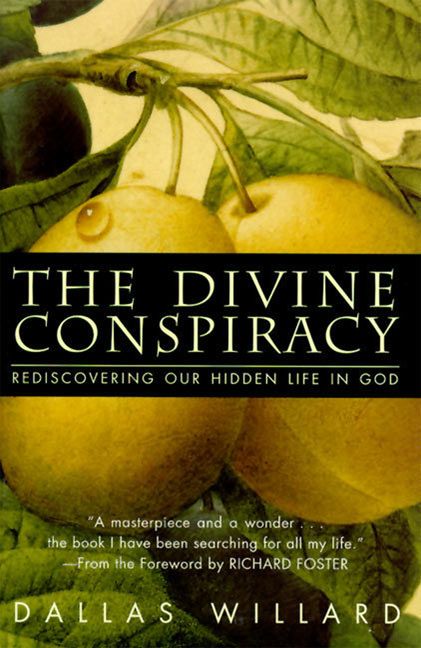 sharing this book on his Instagram ages ago) This quote from Jan’s course jumped out at me because it fits in so much with what I am reading at the moment that Willard is saying the problem with Christianity is. (Note I am only on page 77 at the moment 🙂 )
 and even alcohol. It lasted five days before I decided that I needed to finish the elderflower presse off with the gin liquor my daughter had given me. It was a week before I decided to use the cheese that was in the fridge for a meal, to use up the mushrooms that were lurking in the vegetable rack with the turkey that was sitting in the bottom of the freezer. Why couldn’t I do it? Because I was doing it as an “ought” rather than it being something my innermost being wanted to do. And the funny thing is that we generally only eat meat once or twice a week, drink wine only on a weekend, and only have spirits on special occasions! It was in the telling myself I couldn’t that I wanted to. When it is just a part of my life – I suppose part of my innermost being – then it is easy.
 So I think we need to stop telling people that Jesus lets us see a meaning to life, or even telling people they don’t know the meaning of life but help to show them the bits of Jesus life that help us all to find true connection with our innermost being and truly bring us alive. And to be honest I don’t want to hangout with a God that doesn’t do that for me
 Before Christmas I shared my thoughts on encouraging each other. This is an ongoing thing for all of us. I am a natural encourager but as another encourager friend said “who encourages the encouragers?” Well we encouragers do all have to learn that not everyone is an encourager. Some people have other skills and gifting which we all need. You notice here as an encourager I find it hard to list them 🙂
 qualifiable tasks to begin with – planning and advertising writing workshops, and cleaning. Yes those were the only ones on my list I got to. I have a great writing project in my head that I need to plan out but I am struggling with it. I have reached a point where I know I am rubbish and it will not get off the ground!! See need of encouragement.
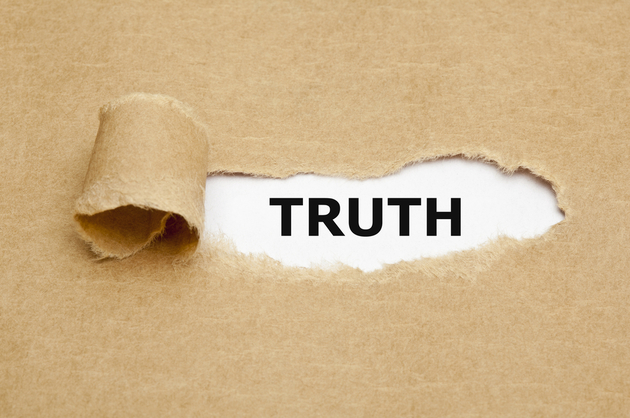 My group asked me the other day about how to use real people in their memoir writing. I wish I had found this quote when I was looking for information to share with them.
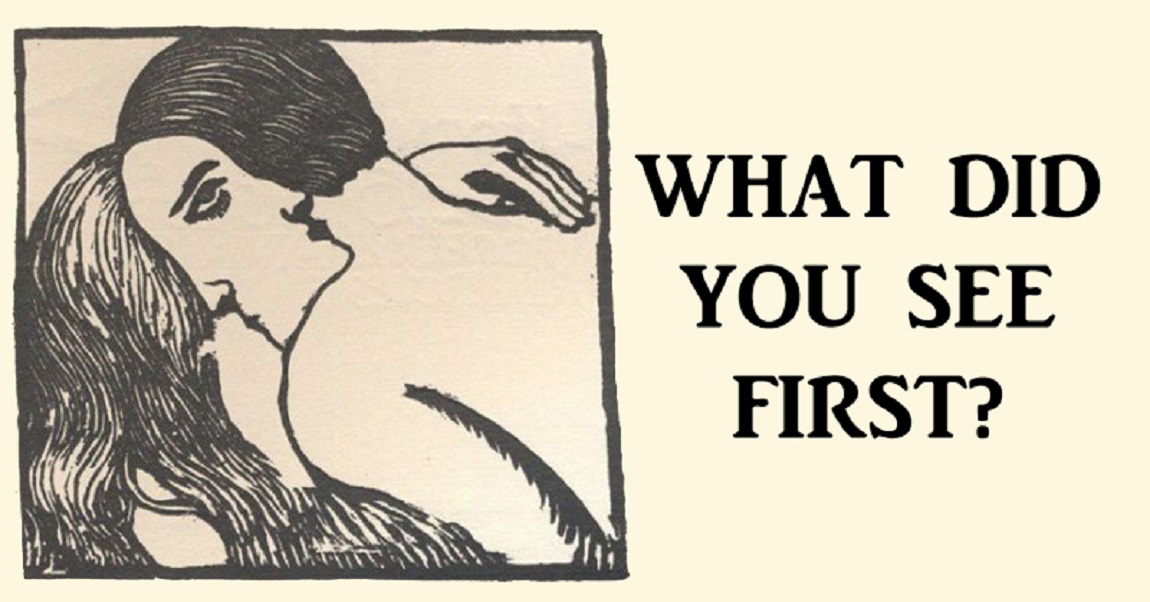 like “Bob is an alcoholic” is not a truth unless Bob has told the family. So one could say “Bob appears to drink a lot and I am concerned that he is an alcoholic” or “Bob says he is an alcoholic”. Both statements are true because one is that I have seen Bob drink a lot and he has said he is an alcoholic. The concerned bit is my opinion. So with “your mum” I could say she seemed happy to me because that is my opinion.
 someone else might perceive them then I do feel freer to know that what I understand is what I understand and not to have to spend time browbeating the other person to believe in things how I see them. So going back to “your mum was really happy there”. That is my truth. Another family member could say “mum was really upset there” and that is there truth. Maybe we need to ask mum and see what she thinks? But then maybe mum was happy at the waterfall but upset as she walked back. Maybe both things are true and each person saw her at a different time (Note this is made up to help with a point and not factual 🙂 )
 actually we know they aren’t all like that but also we know this isn’t how they should be. Thanks to good old Facebook memories I was reminded of a picture I took from my window this time last year of the tree outside my window starting to blossom. This year it is still bare branches. Spring really is later this year.
 about. Imagine not knowing the date? But also imagine not knowing for sure what would happen?
 Aspirational Adventures
