
… suffering produces endurance, and endurance produces character, and character produces hope, …
Romans 5:3-4
Yet in the world we live in we take pills, whether prescribed or self-medicated, whether alcohol or drugs, whether taken in moderation or to excess, or buying stuff, watching TV, to elevate our suffering rather than acknowledging that we suffer.
I wrote a piece a while back about acknowledging grief rather than just trying to make it go away and really grief is a form of suffering, but there are loads of other things that cause us to suffer which lead to anxiety and depression, to various illnesses [Read The Body Keeps The Score and other books by Gabor Mate and others like him]
Who of us does not want to be able to endure, to be of a character people admire, to have hope that we can pass on? Yet too often we don’t want to go through the suffering to get there so we fill our lives with stuff, etc.
The Bible also says “Blessed are those who mourn” [Matthew 5:4] which means those who mourn are comforted by God, if they are willing to acknowledge their need. Suffering and pain teach us things, help us in getting closer to ourselves and to God/something beyond ourselves; help us acknowledge our true selves.
A wise person said “there is no hope without the acknowledgment of suffering” and “a denial of suffering is a denial of hope” and yet too often we try to deny our suffering behind so many things.
I was writing a short piece about an older couple I knew many years ago. They had been through a lot – she had lost a lung through TB and told she couldn’t have children, and also they were very involved in CND [the Campaign for Nuclear Disarmament] and had been on the original CND marches Aldermaston back in 1958 when fear about the world being destroyed by nuclear war was high. Yet they chose to have children – one of which was my boyfriend for a couple of years – and chose to have hope and to be involved in the lives of others. They very much acknowledged their own suffering and the suffering and pain of the world yet were so full of hope people were drawn to them.
A leprosy doctor [can’t remember the article but do remember what was said] said that from what he see we treat pain as an illness rather than the symptom of the illness. So we treat the pain, the outwards signs, but we do not name and treat the actual problem.
If the above bible verse is true then won’t it happen that the more we treat suffering rather than acknowledge it, surely slowly but surely we will lose endurance, will not gain a depth of character others want to emulate, and so will lose sight of hope?
If we need suffering to have hope then let us be willing to be open about our suffering, name it for what it is, and so grow in endurance and character so we can be a hope to the world!
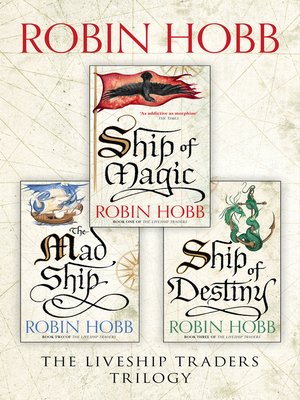 8-900 pages long. So for the last month I suppose I have been hanging out with these characters and so I am missing them today. The trilogy is The Liveship Traders by Robin Hobb. Well worth giving a month to.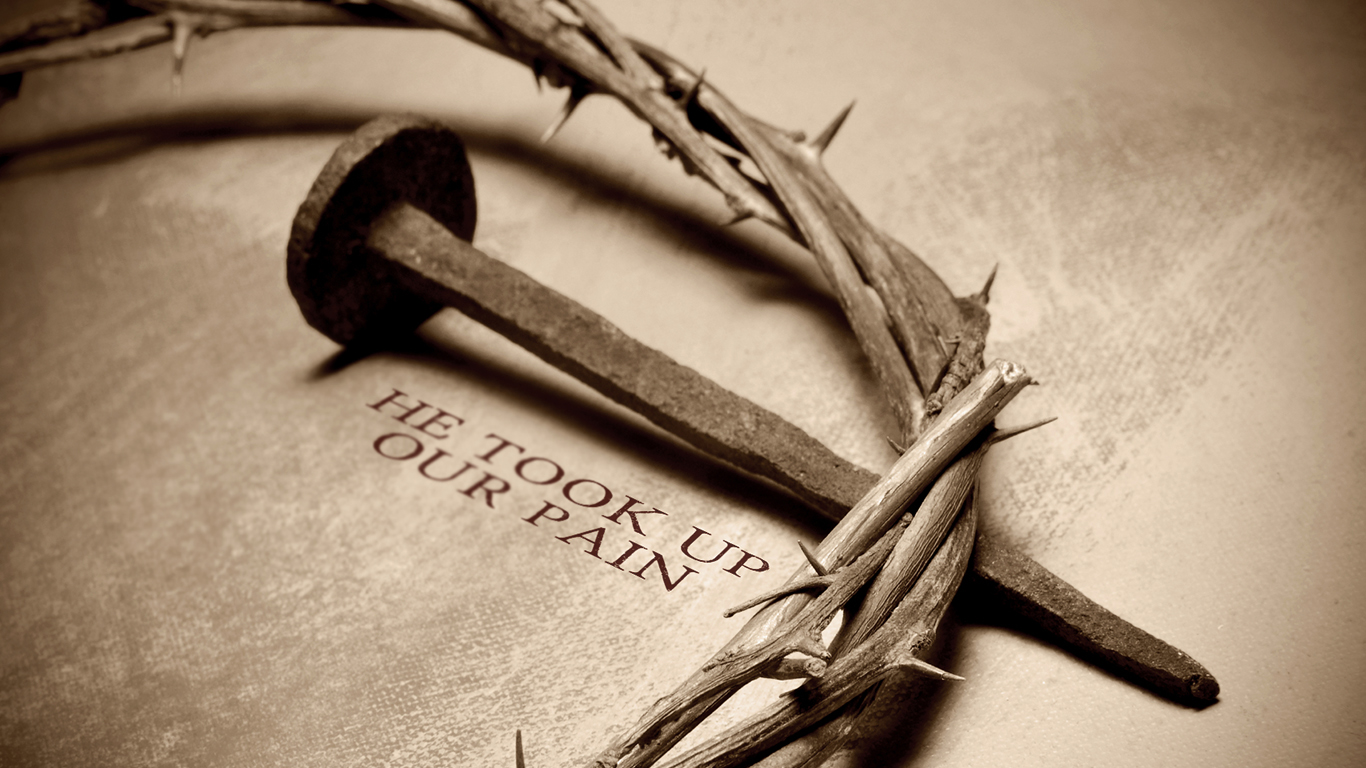
 that pain it gives us resurrection. According to the Anglican and Catholic church calendars we are in that period between Easter and Pentecost and it is a time to reflect on resurrection. I was at a wedding of my dear friend who’s first husband committed suicide and during her talk the vicar said that this was my friend and her new husband’s resurrection time and that it was significant that they were marrying just after Easter. It’s true. She can now give her pain to Jesus, keep her memories of her first husband, but open up into the new life she has said yes to. And yes I weep through writing this because I have my own pain with it too. I can only give my own pain to Jesus again and again. I will still have the memories not only of the times when he was alive and the crazy things we all did together but also the memories of the fateful day and the aftermath of it. But they can be viewed as memories and a constant giving to Jesus of the pain.
 Aspirational Adventures