First published 6th January on https://godspacelight.com/2022/01/06/epiphany/

Free download from https://pixabay.com/photos/star-moon-wise-men-three-kings-6880592/
What do you think of when you think of “The Three Wise Men”? Are they those guys who get slide into the nativity scene in church just before things get cleared away at the end of the Christmas season? Do you see them as three or more or what? Why did only the gospel of Matthew mention them? Why didn’t Luke with is boasts that he then makes in The Book of Acts about writing a true historic account in the both his gospel and part two?
I seem to be drawn to the Wise men/the three kings as I’ve written other posts about them, even one on this site last year. So I thought I’d check them out a bit more. Now I’d been told at some sermon somewhere that they were possibly Zoroastrians and I found some interesting stuff on this website, http://www.religioustolerance.org/zoroastr.htm, which might explain why Matthew, who was allegedly writing to help the Jewish people understand Jesus, includes them. The site says
With the exception of religious conservatives, most religious historians believe the the Jewish, Christian and Muslim beliefs concerning God and Satan, the soul, heaven and hell, the virgin birth of the savior, the slaughter of the innocents, resurrection, the final judgment, etc. were all derived from Zoroastrianism.
These men did not just use astrology to show that the birth of the Son of God had been predicted in the heavens but also were able to connect in the virgin birth and also resurrection, not to mention the way Herod chose to slaughter the innocents.
Matthew’s gospel starts with the genealogy of Jesus, which includes the women in his line, Joseph’s acceptance of who Jesus was, the visit by the Magi, the escape to Egypt and the slaughter of the innocents. When looked at in the light of the above quote about the Zoroastrians it looks very much as if Matthew is speaking to those who would have known this. I feel that he is saying to show how big this whole birth of Jesus is and how inclusive. It includes women; it includes accepting the miraculous; it includes deep grief too.
How often do we want to include grief in the wonder of Jesus being born? But it is a fact of life. I won’t expand on that because there have been some good posts in https://godspacelight.com/ that you can search for. But I think it is one of the amazing things that Matthew makes us aware of, if we look properly, that the miraculous and grief sit hand in hand. This is part of the inclusivity of things. It isn’t just to include men and women, people of various colours, nations, sexualities, and more but it is to include all the range of emotions from joy to grief. If we look properly we can see this as yet another miracle. God doesn’t get rid of certain emotions and life events but knows and understands and walks with us in them.
So as we enter 2022, for many after the last two years with trepidation and uncertainty, with anxiety and fear, let us remember that Jesus was born into this, that God understands this, that we are not walking in alone.
And I’ll end with a prayer one of the characters says towards the end of the Netflix film “Don’t Look Up” which I saw on Jon Kuhrt’s blog the other day, which I think is worth holding on to as we enter this unknown year which will be filled with miracles and grief and all points in between.
Dearest Father and Almighty Creator,
We ask for your grace tonight, despite our pride
Your forgiveness, despite our doubt
Most of all Lord, we ask for you love to sooth us through these dark times
May we face whatever is to come in your divine will.
with courage and open hearts of acceptance
Amen


 be able to fly back to UK for treatment as and when they like; it is my right that I can live in France when I want to retire and still get my pension from UK and be able to vote even though I have not been in the country for 17 years; it is my right that as a European I should be able to live in England for as long as I like and not have to worry about visas, etc; and so it seemed to go on.
 privilege.
 I realised yesterday that I am grieving the loss of a friend. Not one who had died but one that was moving away. Since I moved to this town this person has been key in who I am and what I do here in my church life. She has spurred me on, stood by me when I’ve stepped out, filled in the gaps when they’ve needed filling. She isn’t the only but she has been one of the strong pillars that have given me the encouragement I have needed to step out. She is now doing, what I have done many times before, and is moving to another town.
 Things will change.
 our minds. We cannot stop them coming in. A smell, a look, a place we’ve been to and enjoyed, and even that card that does not arrive all can release painful memories. And it does seem as we get old there are more memories that evoke sadness due to either death or that person just no longer being in our lives. So what do we do with all that?
 living are very much with us. If we get too far down the sadness of those who have gone – whether died or just no longer part of our lives as they use to be – they we can so miss those who are with us now. I know of someone over Christmas who was in a place that evoked memories of those past and also those who were really ill. She was with a new partner but could have stayed with those sad memories but she didn’t stay there. She remember with sadness and with fondness, prayed a bit, but then also went back to enjoying her time with her new partner.
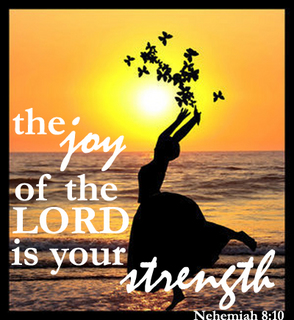 found it hard to find how to deal with it. I felt it was saying that I should not acknowledge what had happened but now I think that is wrong. I think it means that if we can look at where we are, the good things we still have around us, can remember with poignant joy those who have gone, then we have the strength to keep going, keep loving, keep being there for those who we love who are still with us,
 Aspirational Adventures