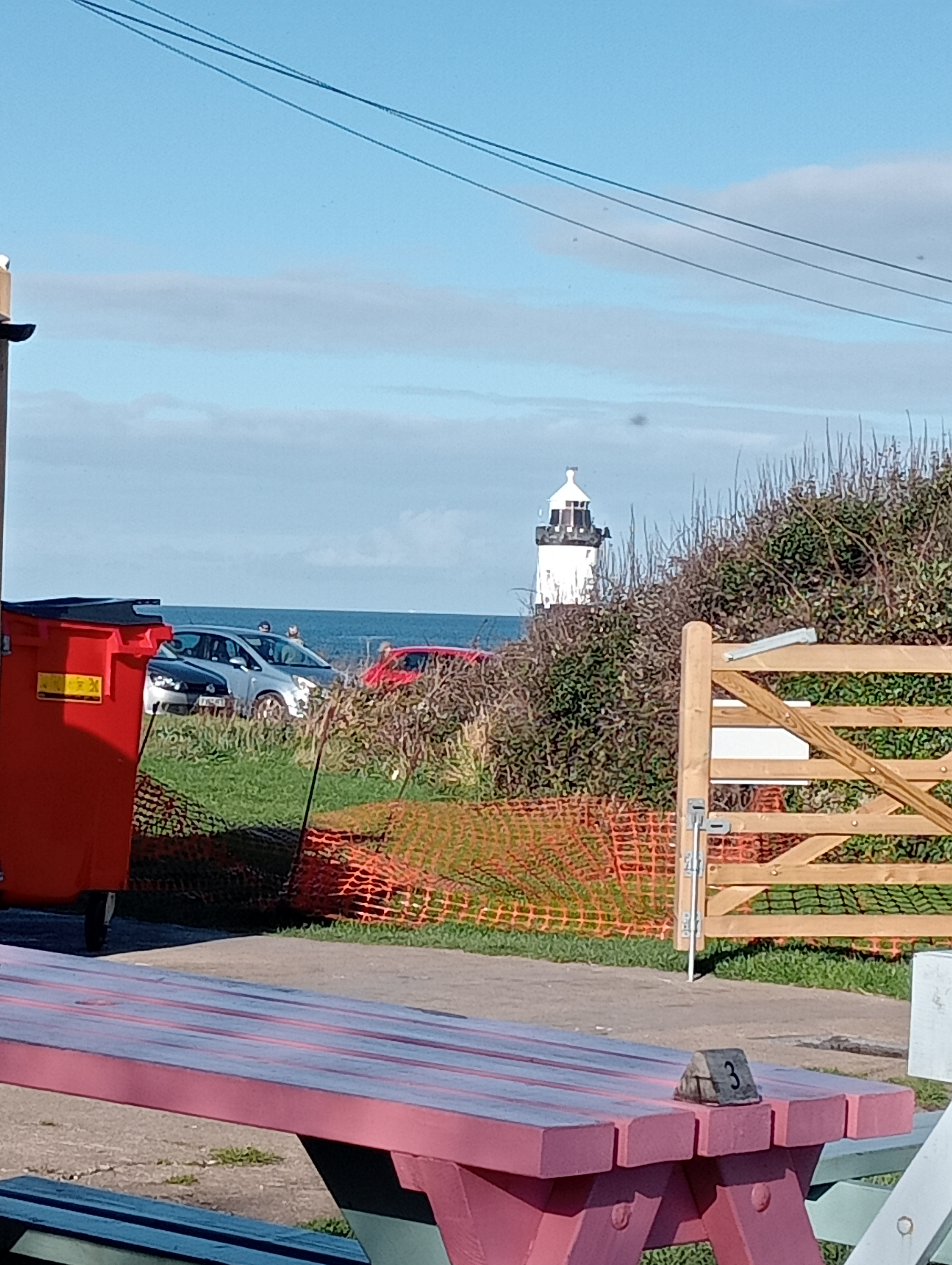
I shared this photo with someone who told me it wasn’t that good a photo because it looked like it was just a farm gate. To me this photo talks about the lovely day I’ve had with my daughter, the tranquil place we finished up, how warm it was that day that we could sit comfortably outside, and actually is the view from where we were sat. And yes it does contain a big red bin, a fallen down fence and a farm gate but it was what we really saw.
True photo not faked.
I was at a gathering of women of a certain age and the topic rolled round, as it often does, to the fakeness of Facebook but I don’t think this fakeness is anything new. As I explore writing around my growing up years I am seeing the fakeness there; those times when I would say I was fine, that yes this was what I wanted, that the world was an ok place, when I was doing things that were not healthy for me, was breaking up inside, and yet I held it in and kept the smile and the compliancy papered thickly.
I think what we see on most social medias are people still covering up their pain but in a different way with photos of their holidays, their lovely relationships, their sorted kids. Or overly sharing on their hurts and pains and wanting someone to reach for them but not knowing how.
I’m about to start something in the local primary school called Transforming Lives For Good, in which each of us get one pupil for one year that we will see every week to help them sort out their emotions and navigate this crazy world. I had to take over documents today for yet another DBS form and was chatting to the secretary who was about my age. We were saying how we so could have done with something like this Transforming Lives For Good when we were young but we just had to muddle by.
It got me thinking about Facebook and other social media things which are really just another form of muddling by because we don’t know where to place our emotions, get told to “be good”, told that this makes parent/teacher/etc happy if we behave that way and so we’re responsible for other people’s happiness.
Kids today are being parented by those we parented and we were parented by those who had been born just before or during the war where a stiff upper lip was the way and disappointments were hidden behind a smile [photo on social media] and an I’m fine [happy tag] or some t-shirt with some slogan on it.
Yes I do think Facebook accentuates the issues but I think we went through the masks and fakeness when we were growing up too.
Here’s another thought from my friend Matt’s substack where he talks of how we use, or shouldn’t use, “they”, and too often we bemoan the things on social media as fakeness and falsehoods and yet we are always expecting “them” to change.
But also, too be totally honest with you, I’d rather see the things my friends and family share to the wider world as light and fluffy and then we can honestly share things together around a coffee, a phone call, or a meal together.
Perhaps, like when we do the “I’m fine” it is better to take time to find those trusted few that we know will be able to look after our hearts and yes be fake to the rest of the world who probably doesn’t care that much.
But please don’t believe this falseness and fakeness that appears on social media is something that was invented by Mark Zuckerberg, Elton Musk and the like!

 Aspirational Adventures