
I’m reading article after article about beaches and roads in my area being rammed full of people and cars to the point where things are gridlocked – both on the roads and on the beaches with no-one wanting to give up their space and their “right to be there”.
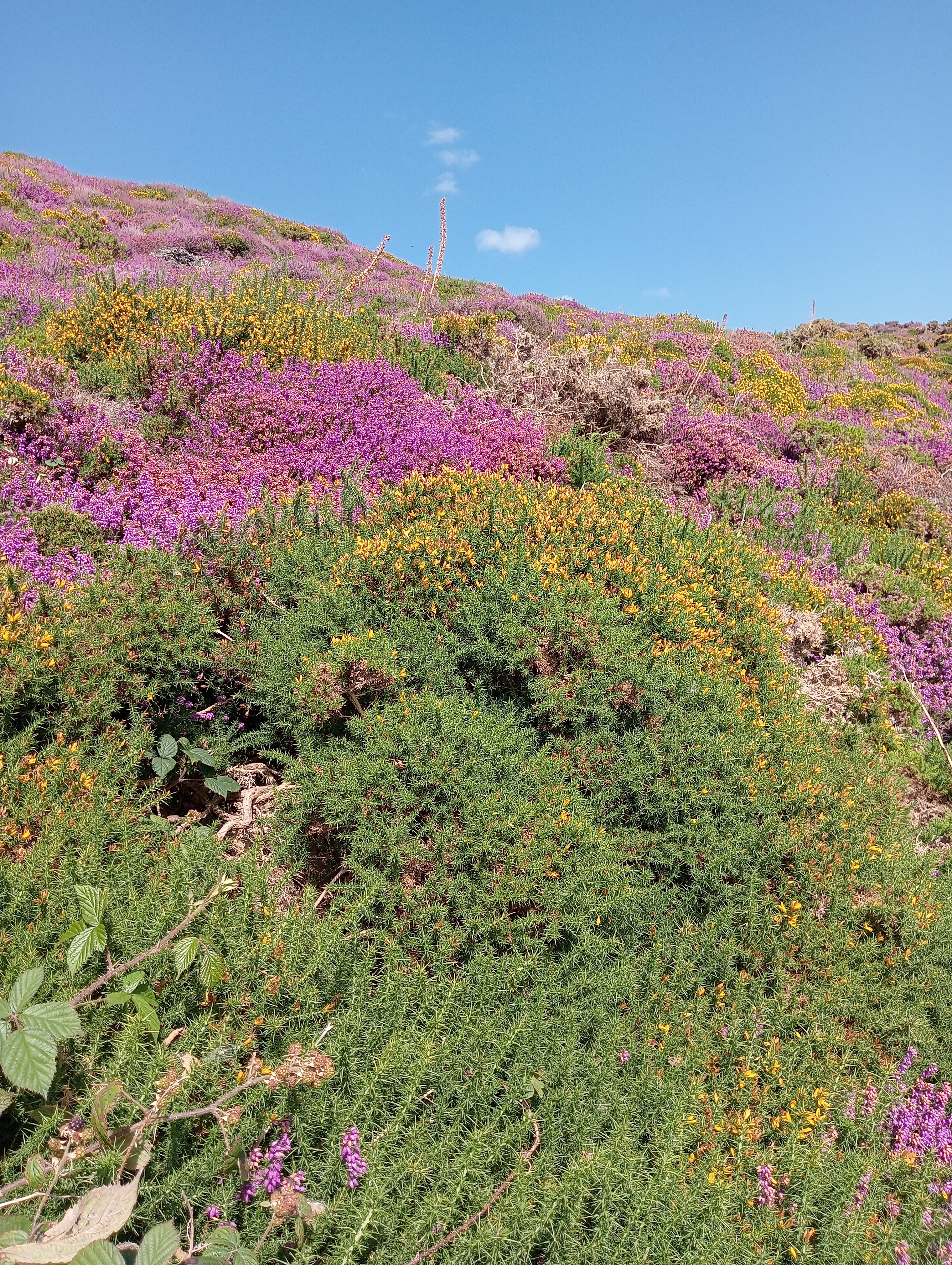
The day the above photo was taken we came back to the tiny car park where we’d part to find a fleet of about 10 cars had arrived and were trying to get into the space which was already at capacity. They were blocking people in and blocking the road. When it was suggested they go to the car park down the road which was bigger and may have spaces I was told by one lady she “wouldn’t walk anywhere.” Yes it did turn out that they were scattering an aunt’s ashes but it was a hot Sunday afternoon and other people were wanting to be out. But they wanted to do it then and so they felt they should be able to do it then. The same as with all these people who go to the beaches – they want to do it that day because it is nice and so they should be entitle to go where they want.
My daughter works in hospitality and she says, along with many others that I know in the hospitality industry, that people are getting ruder. They come in at busy times and demand a table and get angry if there isn’t one available, or if they are told the establishment is closing in half an hour. They want to eat in this place now and so feel entitle to do it as and when they want. She also says there are less people who say please and thank you, more small children allow to run about in busy restaurant with no heed for the safety of the child or the staff.
I remember many years ago someone allowing their child to run around the cinema during the film shouting. When I spoke to the parent I was told that if that was what he wanted to do he should be allowed to do it. I am told this sort of things has increased since lockdown, that sense that if they want to do that they should be able to no matter how it effects others.
As always I want to know where this sense of entitlement comes from. I’m told it has increased since we had those 18-24 months of lockdowns where we were restricted in what we did. But why?
Did Covid give us a fear of death? A fear of our own mortality? But then why should that make so many more behave individualistically and feel like they should be able to do what they want when they want? Wouldn’t/shouldn’t fear of death, of our own mortality, make us want to care for our fellow humans more, care for our planet more, just care more? But this doesn’t seem to be the case with a lot of people.
From reading various books about trauma and the research around it I think I might understand why a wee bit why people are reacting as they are. When one is scared one’s polyvagal nerve is out of sync and one’s autonomic nervous system is on high “meerkat”
[I’ve been using the concept of meerkat for being on high alter since I heard a talk by Jane Evans about 15+ years ago where she talked of the brain being like three animals – the meerkat which is primordial part of our brains which reacts to things and is on high alert and sends the adrenaline coursing through our bodies and would at one time have stopped us being eaten by a tiger, the elephant part which remembers everything even if it can’t remember why it should remember that – for instance as a baby a door slamming meant parent was in a bad mood so the quieter baby was the more chance of not being shouted at, who then as an adult goes quiet whenever any noise like a door banging happens because of that unconsciously remembered trauma, and then there is the monkey that is our conscious acting out life part which lives in the present but takes all its cues from the meerkat and elephant (be careful because some books call the meerkat the Chimp so that can be confusing!!)]
So I think that the reason so many people are feeling like they should be allow a table at a restaurant or pub whenever or to be able to go to the beach or for the whole family to turn up in different cars to scatter aunty’s ashes without cause of how busy things were or whatever when they want to is because they are living within that fear that covid and lockdown imposed on us. I am suspecting that lockdown triggered something else, some childhood trauma, some embedded generational trauma, and they are reacting, because reacting is what we do when our meerkat is running the show. Unless we know how to give those things to some higher power, to God, to The Universe, and bring our autonomic nervous system back into alignment and release the fears and trauma, then we will think and truly feel like we are entitle to things – whatever our “thing” is.
But – now here’s the scary part – unless one is aware of this, aware that one is reacting not acting, then there is no way of being able to unplug, to stop feeling like one ought to be allow on this beach, to have this table in this restaurant, to do as one wants when one wants. One probably doesn’t even know one is living with a sense of entitlement.
So whether it is the riots we’ve been experiencing, the queues to instagramable beaches, the bad mouthing when a meal out isn’t as we’d have wanted, the grumbling about our health and care services, our education system, etc nothing will change until people become more aware that they are reacting not acting.
Going back to the incident on Sunday I noticed, because I have been doing work on myself with QEC, that yes I did ask for the cars to be moved because we wanted to get out, and did say that I felt they were being unfair on other people, but I noticed I did not lose my temper [even when the man in the car next to us swore at us for not moving as quickly as he would have liked] and I didn’t have that horrid feeling in my stomach for ages after. It happened. I said what I needed to say and then I let it go. I acted but did not react.

 Aspirational Adventures